There’s a specific moment on a star bed sleep out safari that sells the whole idea. You’re lying on a proper mattress, wheeled out under the open sky, and a hyena calls somewhere past the tree line. Your partner grabs your hand. Above you, the Milky Way is close enough to feel personal. That’s the pitch, and in Kenya it’s real.
We book these nights often for honeymoon couples who want one splurge that actually earns its price. Here’s what a star bed is, what it costs in 2026, and which Kenyan camps do it properly.
What Is a Star Bed, Exactly?
A star bed is a raised, open air sleeping platform, usually built on stilts or a rooftop deck near your main tent or cottage. Your bed rolls or is carried out at dusk. It comes made up with proper linens, mosquito netting on a frame, and sometimes a canvas roof that can close if weather turns.
It’s different from a normal tented camp because there are no canvas walls between you and the bush. It’s also different from fly camping, which usually means a fully mobile setup, a small crew, and basic bucket showers pitched wherever your guide chooses that night. A star bed sleep out is more fixed. It sits on a permanent platform within the safety net of an established camp, so you get the drama of sleeping outdoors with far more comfort behind it.
Is It Safe to Sleep Under the Stars With Wild Animals Around?
This is the question every honeymoon couple asks us first, and it’s fair. Star bed platforms sit two to four metres off the ground, high enough that lions, hyenas, and elephants pass beneath without climbing up. Netting closes around the bed at night to keep off mosquitoes and the odd curious genet.
Most camps station a guard or guide nearby, close enough to respond but far enough to give you privacy. At Sarara Camp in the Namunyak Conservancy, a Samburu warrior sits a short distance from each star bed through the night. It’s part of the theatre, honestly. You hear him occasionally shift position, and it’s oddly reassuring rather than intrusive.
For the wider rules that make any Kenya safari safe, read our guide to safety rules around wildlife on safari. It covers what guides actually do when animals get close, on foot or from a vehicle.
Where to Find a Star Bed Sleep Out Safari in Kenya
Three regions do this well: Laikipia, Samburu, and the Maasai Mara. Each has a different feel.
Laikipia sits on the high plateau northwest of Mount Kenya. It’s roughly 200 km and a four to five hour drive from Nairobi, or a 45 minute flight into an airstrip like Loisaba or Nanyuki. Loisaba Conservancy’s Star Beds are the most famous version in the country, four open air rooftop platforms with their own plunge pool and ensuite bathroom below. Ol Malo, also in Laikipia, runs a similar setup on a smaller scale.
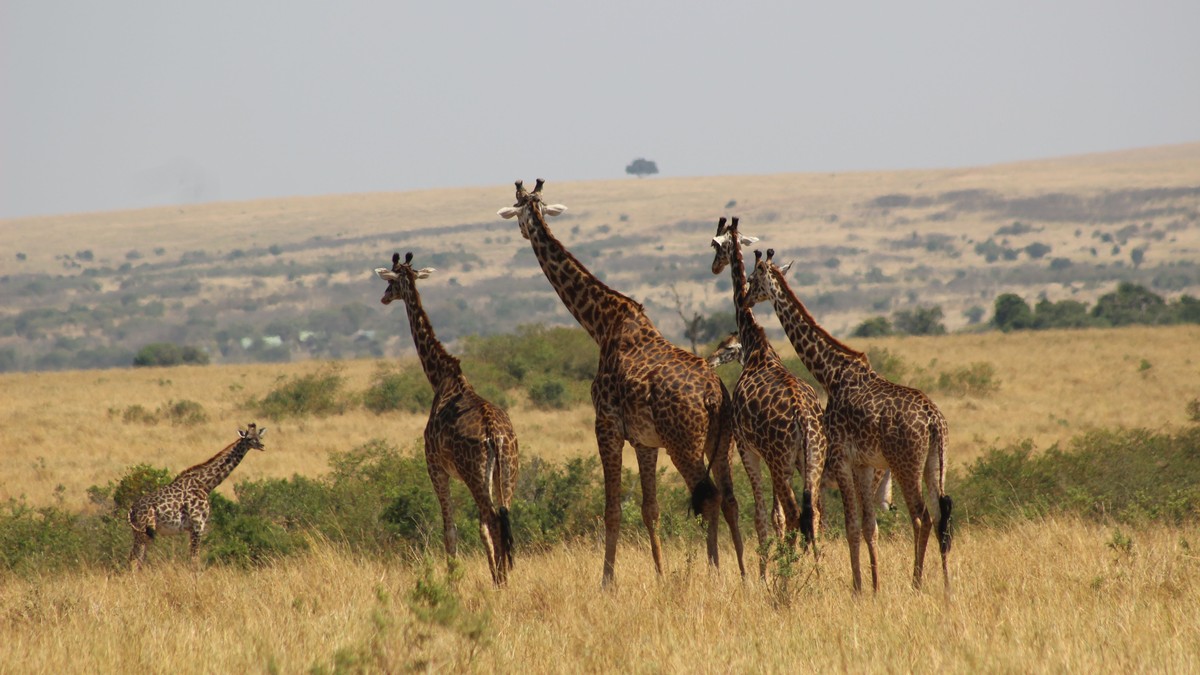
Samburu sits north of the equator, about a 50 minute flight from Nairobi’s Wilson Airport. It has a drier, more rugged landscape and its own wildlife, including Grevy’s zebra and reticulated giraffe you won’t see further south. Sasaab offers sleep outs on private decks above the Ewaso Nyiro River. Nearby, Elephant Watch Camp in Samburu leans into its research camp roots, with a quieter, more intimate sleep out experience for couples who want fewer frills and more bush.
The Mara, about a 45 minute flight from Nairobi, offers sleep outs mostly as an add on night through camps like Serian, timed around the wildebeest migration between July and October.
The Experience: What a Night Actually Feels Like
Dinner usually happens at the main camp, sometimes with a private sundowner first. Then your guide walks or drives you out to the platform, often lit with lanterns for the last stretch. You climb up, the bed is turned down, and the crew leaves you to it.
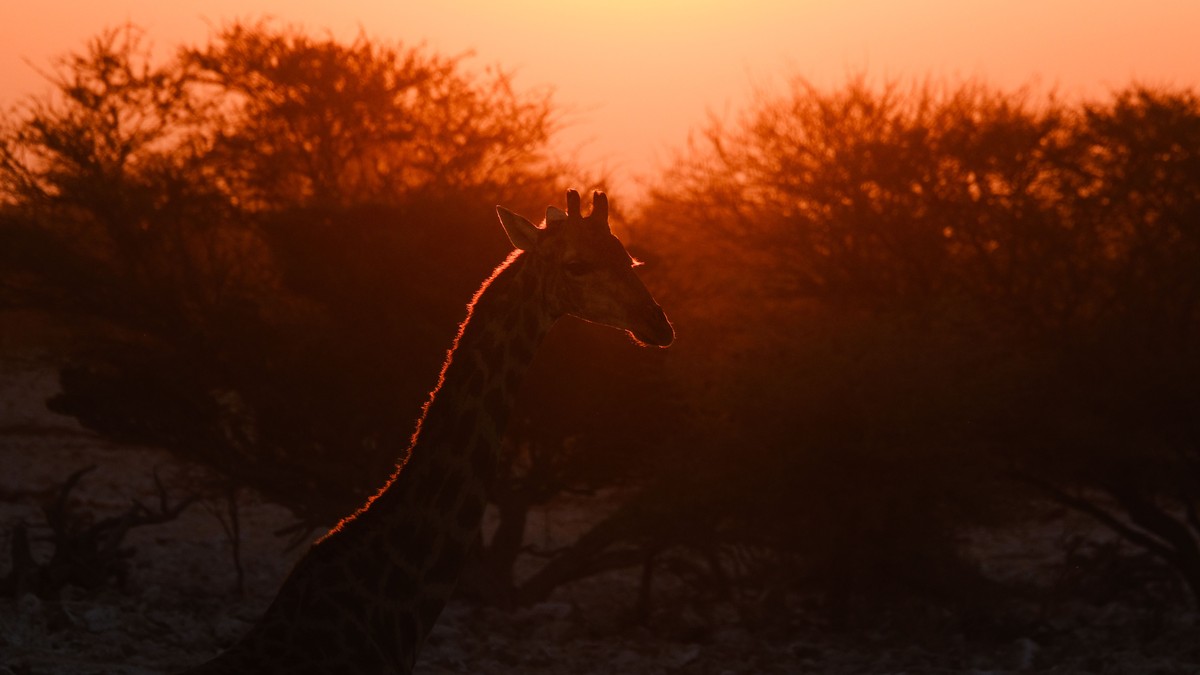
What follows depends on the night. You might hear elephants moving through scrub below, or nothing but wind and insects. At Segera in Laikipia, guests often wake before dawn to watch the sky change colour over the plains before anyone else at camp is up. It’s genuinely one of the few safari moments with zero schedule attached to it.
Expect real cold on Laikipia and Samburu nights, especially June through September, when temperatures can drop to 10°C or lower. Camps provide hot water bottles and thick blankets, but pack a warm layer anyway.
What’s Included, and What Isn’t
This is where the big roundup sites go quiet, so here’s the honest version.
Most star bed nights include the platform bed, bedding, mosquito netting, a torch, and an overnight escort or guard. Some, like Loisaba’s rooftop rooms, include a private ensuite bathroom right there. Others, like a Sarara or Elephant Watch sleep out, mean a short walk back to your tent’s bathroom if you need one in the night. Some use a simple long drop and bucket shower built near the platform instead.
Rain is the other honest answer nobody gives you. Most platforms have a retractable canvas cover or the option to move back to your room if a storm rolls in. Guides watch the sky and will wake you to move if needed. It rarely ruins the night entirely, but it’s worth asking your camp directly before you book, since coverage varies property to property.
Star Bed Camps Compared
| Camp | Region | Ensuite Bathroom | Indicative Price (per person, per night, sharing) | Kid-Friendly | Flight Time from Nairobi |
|---|---|---|---|---|---|
| Loisaba Star Beds | Laikipia | Yes, private plunge pool too | USD 750-950 | Yes, age 6+ | 45 minutes |
| Sasaab | Samburu | Nearby, short walk | USD 650-850 | Yes, age 8+ | 50 minutes |
| Sarara Camp | Samburu (Namunyak) | Nearby, short walk | USD 700-900 | Yes, family tents available | 50 minutes |
| Elephant Watch Camp | Samburu | Nearby, short walk | USD 800-1,000 | Limited, best for age 12+ | 50 minutes |
| Ol Malo | Laikipia | Yes, ensuite | USD 600-800 | Yes | 4-5 hour drive or 45 min flight |
| Serian sleep out (Mara) | Maasai Mara | Nearby, short walk | USD 900-1,200 (peak migration) | Limited, best for age 12+ | 45 minutes |
Prices are indicative 2026 per-person rates for the sleep out night itself, layered on top of standard nightly rates, and shift with season and camp occupancy. Always confirm current pricing when you book.
Booking Lead Time
Star bed platforms are limited by design, often just one to four per camp. During the July to October migration season and the December to January holidays, they can book out four to six months ahead. For a quieter shoulder season stay, six to eight weeks is often enough. We still recommend booking early if the star bed night is the centrepiece of your trip. Our guide on how far ahead you should book your Kenya safari breaks down timing for the rest of your itinerary too.
Star Beds for Kids and Families
A few camps, like Loisaba and Sarara, welcome children on star bed nights, usually from age 6 to 8 upward, with a guard positioned closer to family platforms. Others, including Elephant Watch and Serian’s sleep out, suit couples or older teens better. That’s partly the walk to facilities, and partly the hush the experience calls for. If you’re travelling with young children, ask us before booking so we can match the camp to your family.
The Valley Safaris Difference
Roundup sites can tell you Loisaba has star beds. They can’t tell you that the Laikipia platforms catch a cold wind off Mount Kenya in July, so you’ll want the extra blanket. They also won’t tell you that Sarara’s Samburu warrior escort makes it the better pick for couples nervous about the “safe from animals” question. We’ve slept in these beds ourselves and sent dozens of Kenya honeymoon couples to them.
We build your itinerary around one honest goal: the sleep out night should feel like the highlight, not a gamble. That means pairing it with the right season and the right camp for your comfort level. We give you a realistic budget from the start, not a surprise add on fee once you’ve already committed.
Ready to Plan Your Night Under the Stars?
If a star bed sleep out sounds like the moment your honeymoon needs, we’d love to help you build the rest of the trip around it. Get in touch through our contact page and we’ll start mapping out your Kenya safari.